
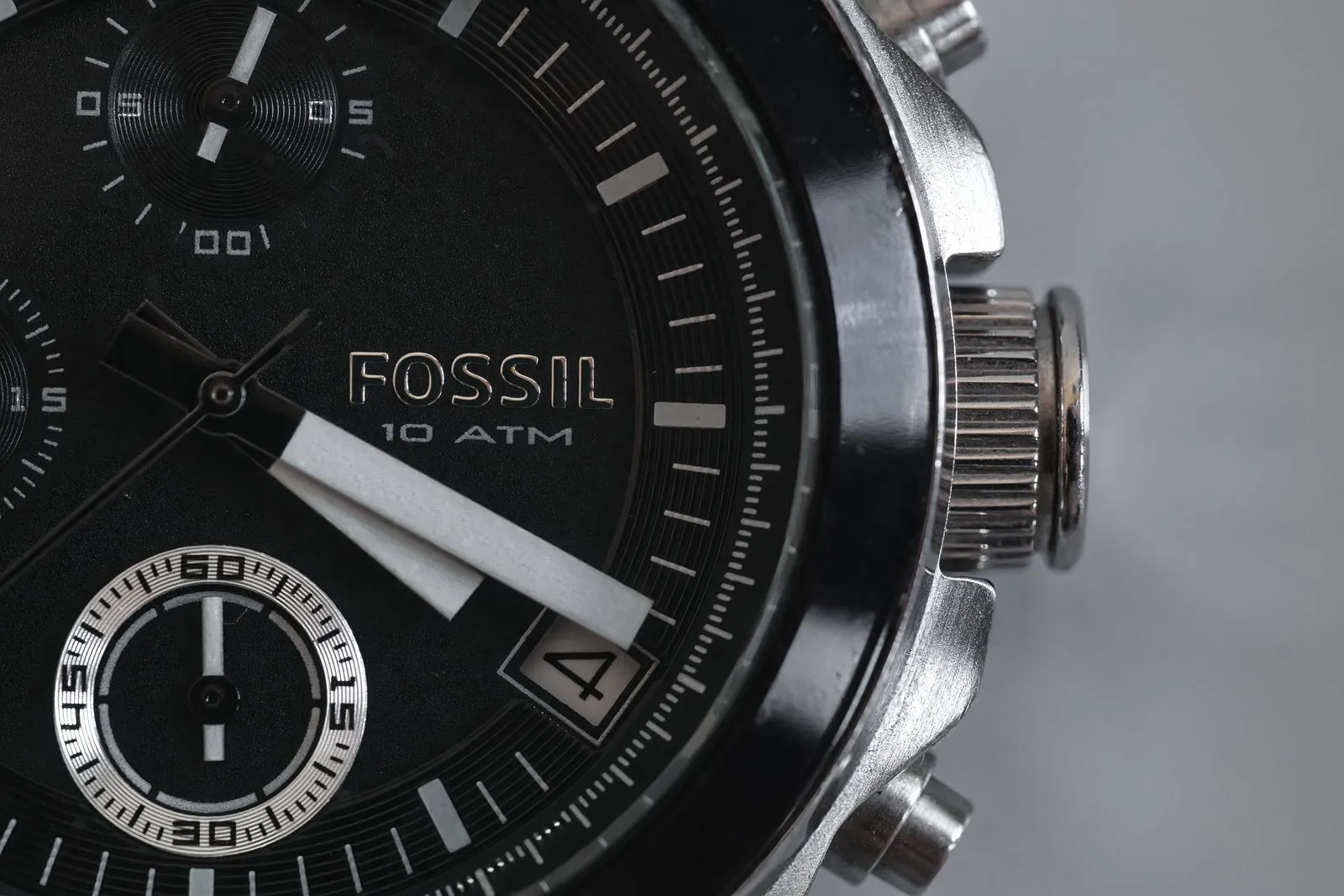
A worn watch dial can show fading, spotting, peeling, or damage from moisture. Restoration may improve its appearance, but the right approach depends on the dial’s materials, condition, and originality. A careful process starts with inspection and a discussion of what the owner wants to preserve. Knowing the typical steps helps you ask useful questions, understand possible tradeoffs, and plan appropriate care once the watch is back on your wrist.
Start With a Close Assessment
A restorer first examines the dial under magnification, noting its material, finish, printing, markers, and visible damage. They may look for corrosion, lifted paint, stains, cracks, missing details, and signs of earlier work. The hands and movement can also provide clues about moisture exposure or other problems, though dial assessment alone cannot confirm the watch’s overall condition.
Before work begins, clarify the goal: stabilize the existing dial, improve legibility, or create a more uniform appearance. Ask which original features can remain and which may change. The restorer should explain the proposed treatment, expected visual result, and any limits. Photographs and written notes can help document the dial’s condition and agreed scope.
Choose a Restoration Approach
Treatment depends on what the dial needs. Some dials may only require careful cleaning or stabilization. Others may need damaged coatings addressed, missing details reconstructed, or a finish renewed. Printed markings, applied indices, and luminous material each require different handling, so a method suitable for one dial may be inappropriate for another.
Restoration can change a watch’s appearance and historical originality. Refinishing may make a dial look cleaner, but it can also remove original surface details or alter lettering, color, and texture. If preserving originality matters, ask whether conservation or limited repair is possible. Request a clear explanation of tradeoffs before authorizing work, especially for vintage or historically significant watches.
What Happens During the Work
Depending on the agreed scope, the dial is carefully removed from the watch and handled separately from the movement. The restorer prepares the surface, addresses the approved damage, and applies or repairs finishes and markings as needed. Work may involve multiple controlled steps, with drying or curing time between them. The exact sequence varies by dial construction and treatment.
A finished dial is checked for appearance, legibility, and consistency with the agreed plan. The watch may then be reassembled, with attention to keeping dust and fingerprints away from the dial. Ask whether the service includes reassembly, a movement check, or water-resistance testing; these are separate considerations and should not be assumed to be part of dial work.
Care After Restoration
Follow the restorer’s handling and care instructions, particularly if the finish needs time to settle. Keep the watch away from moisture, household chemicals, and sudden temperature changes unless its water resistance has been properly assessed. Avoid opening the case yourself: dust, tools, or accidental contact can damage the dial or movement.
Store the watch in a clean, dry place and have it inspected if you notice condensation, new spotting, loose markers, or changes to the dial surface. Restoration does not necessarily make an older watch water-resistant or prevent future deterioration. Keep the service notes and before-and-after photographs with the watch’s records for future maintenance.
A good restoration plan balances appearance, stability, and the value of preserving original details. Ask for an assessment, a clearly defined scope, and an explanation of what may change before approving work. If you are considering service for a worn dial, contact Casco Dial Works to discuss the watch and possible next steps.